
About
Hi, I’m Drew.
Engineer at a FAANG by day, futures trader by obsession. Five years shipping software at scale, eight years trading futures. The desk you see being built here is what happens when those two worlds collide: institutional methodology, run solo, with AI as the workbench.
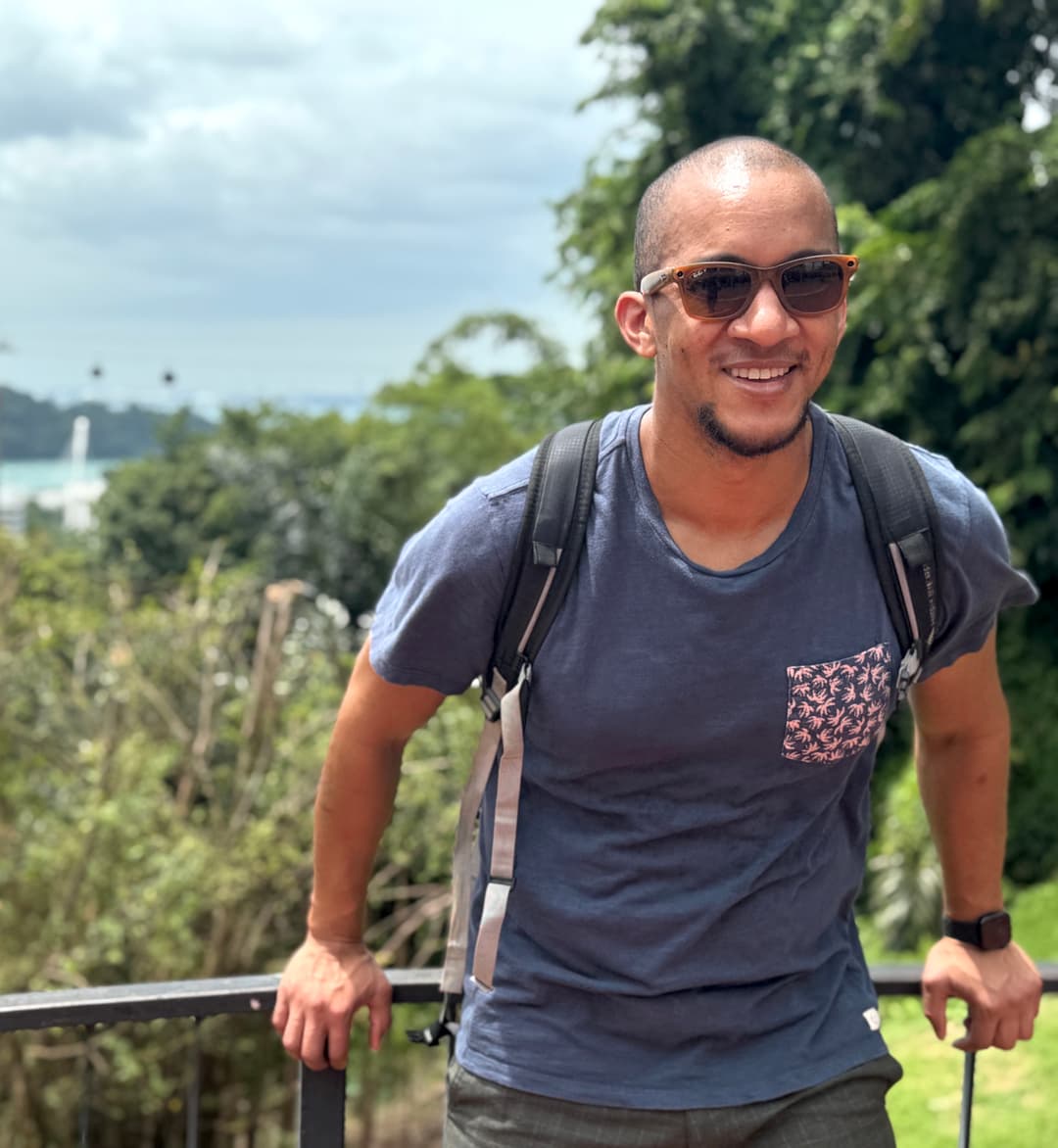
I’ve been a futures trader since 2018. The first few years were the usual grind: risk tolerance, setup recognition, figuring out what an edge actually feels like. Since 2023 it clicked, and I’ve been able to build a discretionary edge I trust.
More recently I’ve been pushing in a different direction: translating what I see in screen time, indicators, and order flow into algorithmic systems. Claude Code and the current wave of AI tools made that jump realistic for a solo operator. The goal is simple: take a discretionary edge and turn it into something systematic that can run without me.
The last year has been a deep rabbit hole. Testing platforms, transcribing indicators into code, building a backtest engine, and catching all the biases that make a simulation look better than reality. Look-ahead, survivorship, slippage assumptions, regime cherry-picking; the stuff that quietly inflates a curve.
What I’m sharing here
The system, the framework, and the methodology to turn an edge into an algorithmic approach when it’s possible. Not every edge translates. Some order flow reads and tape-based feel just don’t make it across the line. Knowing which ones do is half the work.
There are no shortcuts. The only reason this is working is screen time and iteration speed. I primarily trade NQ and ES, but the frameworks apply to any instrument with clean data.
The stack
I work primarily in Sierra Chart with ACSIL (their C++ study interface). It’s old-school and technical, but the language is clean, the data is honest, and you can build things you simply can’t in higher-level platforms like TradingView. Worth the investment.
Journaling, the part I used to skip
I was terrible at journaling for years. So I built a flow that removes the friction: voice notes captured during the session, piped into a custom journaling platform I built for myself. I’ll share how that works too.
Why this site exists
To share the work, get feedback, and connect with other operators building their own one-person desks. If that’s you, the channels page is the fastest way in. The inbox, DMs, and comments are all open.